
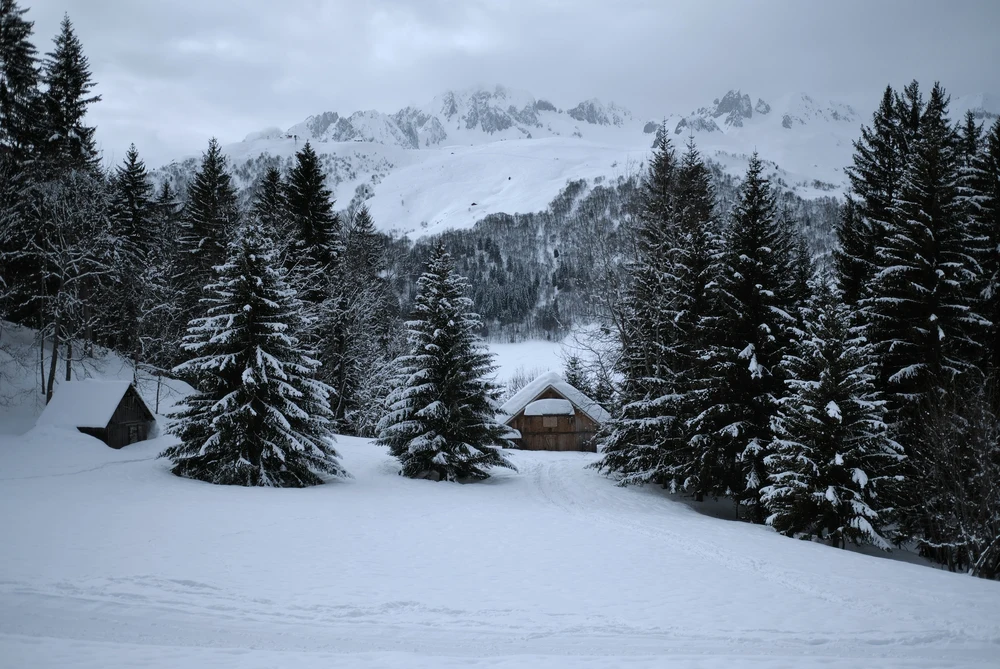
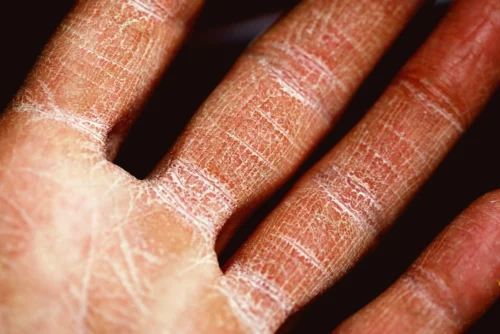
Dry skin, especially on your hands and face, is one of the worst parts about winter. The freezing cold temperatures break down the skin barrier that contains moisture. That leads to dry, cracking skin that itches and even starts bleeding. Unfortunately, no one is immune to dry skin in winter, not even the best winter Olympians.
Although there is no one-size-fits-all solution for dry skin in winter, there are certain measures you can take to protect yourself. When dealing with dry skin in winter, we’ve found it best to prevent your skin from drying out and cracking, as opposed to treating it once it gets to that point. So, in this guide, we will take you through three very simple and easily accessible preventive measures for dry skin.
Layering
If you live in a climate that has cold winters, freezing temperatures are unavoidable. Most of the U.S., Canada, Europe, and large parts of Asia all have temperatures in the range of 0°F (-17°C) to 50°F (10°C). So, whether you’re walking your dog, going to an WNBA game, or going to work, avoiding the cold is impossible.

That said, you can prevent dealing with dry skin in winter by layering well when you do go out. Putting on thermal underwear, as well as warm clothes, can help protect your skin from damage. Beyond that, you should always wear thick coats, in addition to scarves, to protect your face and neck. Finally, try not to leave the house without a pair of gloves.
Hydrating
You may find yourself drinking less liquid, especially water, in winter. While that is understandable, because the body doesn’t sweat as much in the colder months, it may lead to dry skin. Dealing with dry skin in winter is made much easier if you remember to hydrate regularly. Per the Mayo Clinic, you will need to drink 11.5 cups of water a day to consume the amount your body requires.

This may seem like a lot, but if you spread them around 16-18 hours of activity in the day, it’s doable. You may find it easier to carry around a reusable water bottle because that makes drinking liquid more accessible. Either way, drinking enough water can prevent your skin from drying out and cracking in winter.
Moisturizing
No matter how much water you drink and how well you layer, the skin will still take some damage in winter. That is just the nature of cold temperatures, especially with wind and snow. So, it is especially important that you remember to moisturize regularly. The areas of your skin that are more exposed, like your face and hands, should always get extra attention in winter.
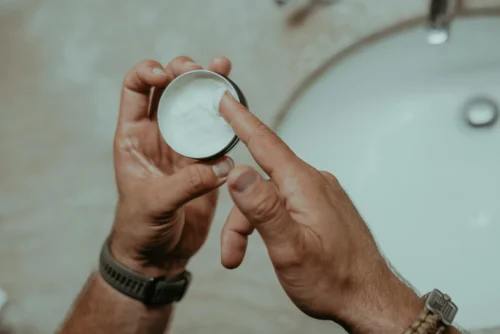
There are hundreds, if not thousands, of different hand and face creams out there that you can purchase. In our experience, the best ones include glycerin, vitamin E, and collagen in their ingredients. So, find the moisturizing cream that works best for you and apply it as often as you can.
Leave a Reply