
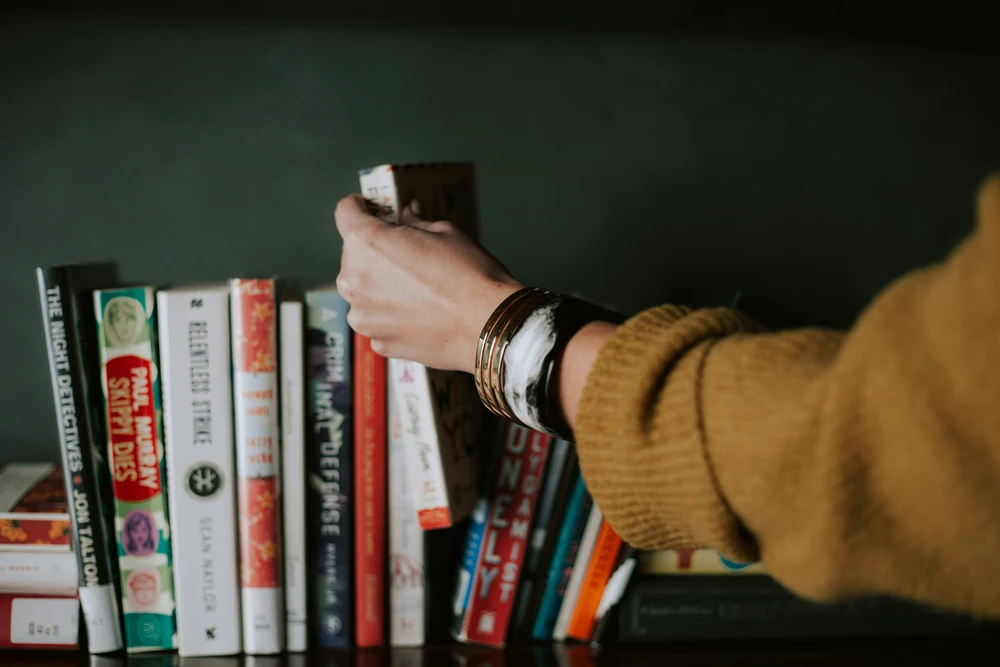
We live in a constant era of distractions and oversimplification, but books have remained a steady escape. The EU reports that people aged 16-29 read the most out of any age group. In fact, many people get into reading as a hobby because of a good book adaptation into a movie or a TV show.
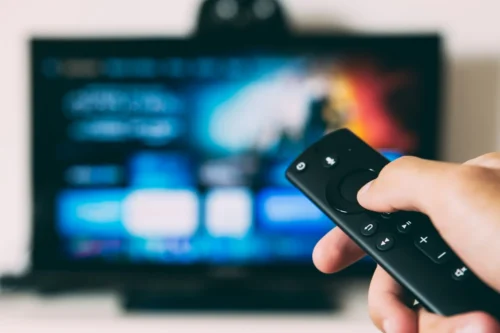
In fact, a quality adaptation can enhance the overall story and enrich the experience for you. But, not all book adaptations are worth your time and attention. Regardless of whether the book contains a fictional story about Y/A heroes or a tennis biography. So, in this article, we will go over the three factors that affect the quality of a book adaptation. We will also take a look at examples of good and bad adaptations, respectively.
The Storyline
The storyline is the foundation of any good book adaptation. For the adaptation to work, the script writers and directors need to find a way to take the original text and adjust it for the TV screen. Naturally, the TV show cannot be an exact copy of the book, but it still needs to be true to it.
The difference between good and bad adaptations lies in how faithful the storyline is to the original. The very best adaptations, like “Outlander” and “The Haunting of Hill House”, don’t diverge from the source material too much. Of course the TV show creators are going to have creative liberties, but the storyline must remain untouched.
The Casting
The casting for the TV show adaptation of a book plays another major role, no pun intended. Very often, the creative teams behind TV shows take liberties with the actors they select. That, in turn, can take the book readers completely out of the story. The correct casting can bring a book to life, but the wrong casting can derail the show.
One of the most perfect casting choices in recent times are the leads in “Interview With a Vampire”. Sam Reid and Jacob Anderson may give the main characters a different look, but the actors capture the essence of the characters. On the other hand, Tom Cruise as Jack Reacher is widely regarded as a miss. Regardless of Cruise’s star power, he didn’t manage to capture Reacher’s intensity or his appearance.
The Setting
TV show adaptations have to account for limited budgets, so on-site shooting isn’t always an option. More than that, many books have stories set in fictional places, so the TV show creators have to adjust to that. Whether they opt to film the TV show on a set or on location, the setting needs to be true to the story.
Any avid book reader will tell you, the setting of the story is just as big a part as the characters. Descriptions of buildings, outfits, and even characters’ accents can help immerse you in the TV show. If the adaptation nails these elements, then you will find yourself watching the episodes as you tore through the book.
Good Book-to-TV Adaptation
There have been many a good book adaptation, but “Lessons in Chemistry” by Bonnie Garmus is our favorite. This novel tells the story of Elizabeth Zott, a brilliant chemist trying to earn her doctoral degree and work as a chemist in 1960s America. This story depicts women’s struggles from that era, in a tale that is equal parts inspiring, devastating, hilarious, and thought-provoking.
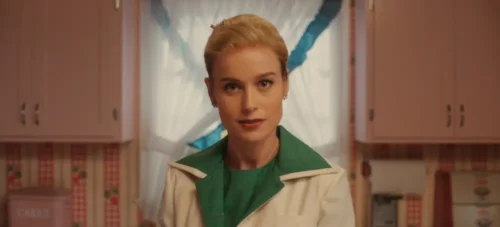
Adapting this kind of story into a TV show, or a mini-series, as Apple+ ultimately opted to make it, is no easy feat. But, the “Lessons In Chemistry” TV show earned widespread commercial and critical success. Brie Larson’s nuanced and evocative portrayal brought Elizabeth to life. The show earned two Golden Globe nominations, five Emmy nominations, and one SAG nomination. It also earned 83% on Rotten Tomatoes and 8.2/10 on IMDb.
Bad Book-to-TV Adaptation
“13 Reasons Why” is a young adult novel by Jay Asher. It tells the story of Hannah Baker, a 17-year-old girl who kills herself. Hannah leaves behind cassette tapes with the 13 reasons for the sucicide, or the 13 people she blames for it. The book did receive criticism after its release, but it was also a major success, becoming a best-seller and climbing top 100 lists.
Compared to the book, the TV show failed to deliver. Although the first season was a success, debuting with 77% on Rotten Tomatoes, it was downhill after that. The remaining three seasons tried to expand on the original plot, which only helped complicate the storyline. Ultimately, none of the remaining seasons have a Rotten Tomatoes score over 30%.
Summary
A good book adaptation to a TV show can provide you with hours of entertainment and memories to cherish a lifetime. On the other hand, a bad adaptation can sour your experience with the original material. That is why the creative teams, casts, and scripts of the adaptations are so important.
While we all have different tastes, there are certain marks that a TV show must hit to be considered a good adaptation. So, the next time you watch a TV show adaptation of a book, look at the plotline, casting, and setting closely.
Leave a Reply